
Not long ago, property hotspots were predictable. London. New York. Paris. A few familiar names, on repeat. That map has changed. Today, cities rise fast, attract global money, and turn into real estate hubs almost overnight. For investors, this shift is exciting and confusing. Why do some places suddenly boom? What makes a city magnetic? And how do you spot the next big thing before everyone else?
The World Is Moving, and So Is Money
People don’t live, work, or invest the way they used to. Borders are non-existent. Work is flexible. Lifestyles surpass office proximity. Money follows these shifts.
Global real estate trends show that changes such as tech growth, shifting habits, and population movement are overhauling where people want to live and invest.
This is what experts call “megatrends,” and they’re rewriting the property playbook. Cities that adapt quickly don’t survive. They explode.
Remote Work Changed Everything
The work-from-anywhere culture didn’t free people from desks. It freed them from locations. When jobs went remote, many professionals left crowded capitals for cities that offered better weather, lower costs, or a higher quality of life. This change is already transforming urban real estate globally. Investors followed. Why? Because where people move, demand follows.
What This Means for Investors
A city no longer needs to be a corporate HQ hub to thrive. It needs:
- Reliable internet
- Modern housing
- Lifestyle appeal
- Easy travel
- Friendly business rules
Cities ticking these boxes rise fast.
Dubai: A Case Study in Hub Growth
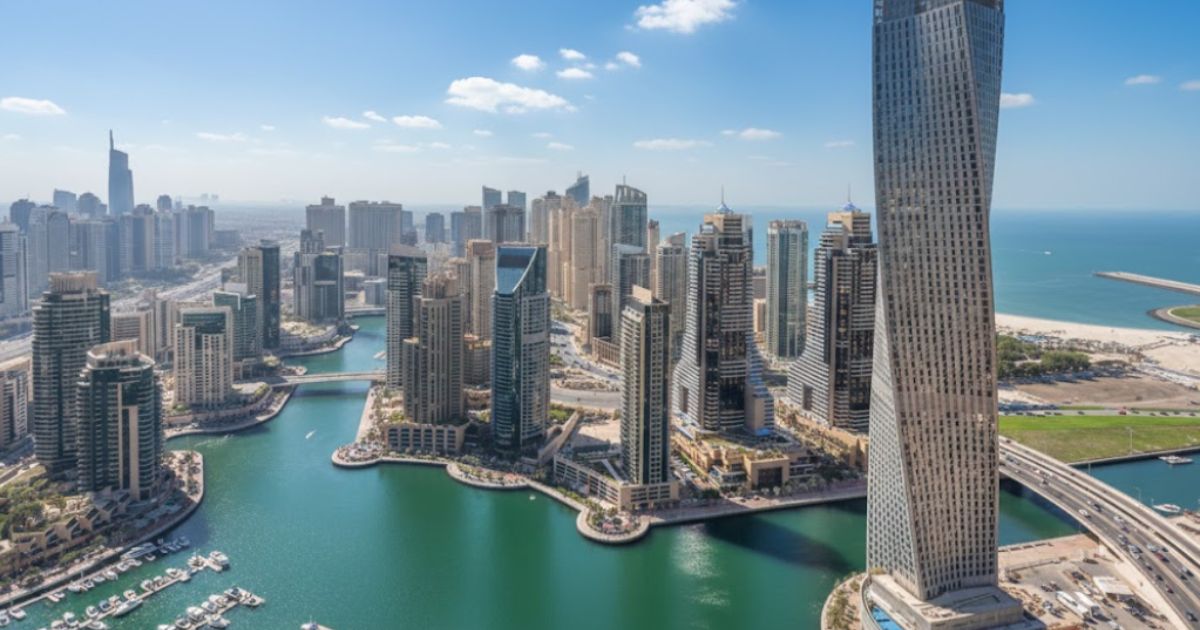
Few cities show this shift better than Dubai. What started as a regional center has become a global real estate powerhouse. Dubai real estate investors come from Europe, Asia, Africa, and the Americas, all chasing lifestyle, strong rental demand, and long-term growth. International buyers are entering the market for structure, clarity, and confidence. This isn’t luck. Its design.
RD Dubai explains that Dubai luxury property investment firms have direct market insights and can support investors on the ground. They are best equipped to show you how to invest in Dubai property as a foreigner.
Why Dubai Keeps Pulling Global Investors
Dubai blends:
- Tax-friendly rules
- World-class transport
- Tourism-driven rental demand
- Modern housing
- High-end living
And that mix creates confidence. Esquire reports that the UAE city-state has redefined mindful luxury where comfort meets intention, not excess. That’s the new status symbol when investing in Dubai property.
The Rise of the ‘Magnet City’
Some places don’t just grow. They pull. These cities attract global talent, founders, digital workers, and high-net-worth buyers. Many emerging cities are stepping into global innovation roles by blending tech, lifestyle, and infrastructure. Once that happens, real estate becomes more than shelter. It becomes a strategy.
Investors Follow Energy
When you see startups popping up, co-working spaces filling, and luxury brands arriving, you’re watching a hub form. It’s hard to believe, but Bangalore beat out Shanghai in venture capital funding for the first time in 2021. The surge in investment showed a diversion of attention from more typical innovation and talent hotspots.
Global Shifts Create Global Buyers
Modern investors don’t think local. They think global. Asset choice has nothing to do with hometown loyalty. It’s about opportunity. And more people now diversify across countries to spread risk and grow smarter.
You’re not buying property. You’re buying positioning.
Borders Outpace Value
Thanks to digital tools, buyers can:
- Tour homes virtually
- Compare yields instantly
- Access foreign markets
- Manage property remotely
That ease removes friction and opens doors.
Data Is Driving Decisions
Gone are the days of gut-only investing. Smart buyers look at trends, not gossip. PwC’s 2026 real estate outlook shows that investors favor cities with long-term planning, strong infrastructure, and clear governance.
Cities that invest in future-proof systems win.
What Makes a City Future-Ready?
Look for:
- Smart transport
- Mixed-use districts
- Green spaces
- Tech hubs
- Flexible zoning
These signs tell you growth is long-term.
Why Hubs Grow Faster Than Others
A hub feeds itself.
More people → more businesses → more demand → more building → more interest. It becomes a loop. Once a city hits this rhythm, prices rise and stabilize.
People move to places that feel alive. That feels safe. That offers fun, culture, and connection.
Cities that understand this don’t build towers. They build experiences. That’s what long-term investors love.
Adapt and Attract
Cities don’t become hubs by chance. They earn it. They adapt. They attract. They evolve.
This is a golden age of choice for investors. You’re no longer limited to one postcode. You can think globally, act smartly, and build portfolios that match the world’s direction.
From fast-growing tech centers to lifestyle capitals and rising luxury zones, the next big hub is already forming somewhere.
The question is: are you watching?