
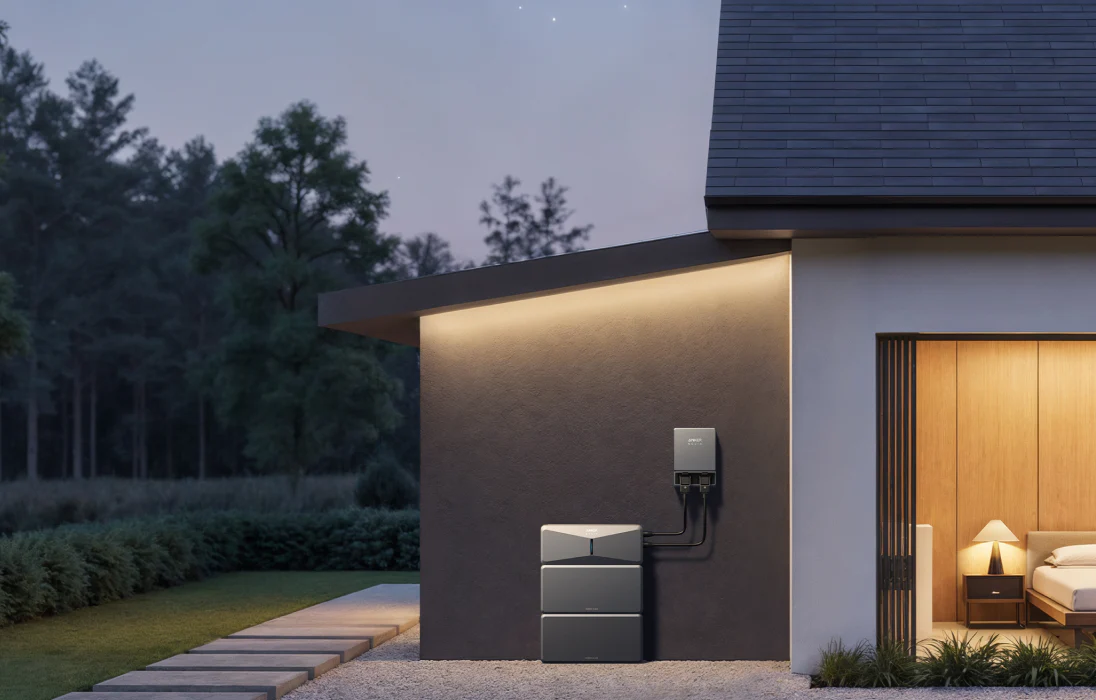
Some power outages barely disrupt a home, while others expose every weakness in a backup system. Short interruptions may not challenge a generator, but extended failures, harsh weather, and sudden load spikes can push equipment beyond its limits. These moments reveal whether a generator can truly support a household or if the system delivers only partial resilience. Modern whole-home backup solutions—such as the Anker SOLIX E10 (Power Module + 2× Battery) combined with the Power Dock—perform differently under stress because they handle surge loads, switch over instantly, and provide scalable energy. Understanding which outage scenarios create the greatest strain helps families choose the right protection for their home and avoid surprises when the grid goes down.
The Outage Situations That Push Generators To Their Limits
Long-Duration Outages That Require Multi-Day Stability
Brief outages rarely challenge a generator’s real capability. The test comes when the grid remains down for many hours or even days. During prolonged failures, power usage becomes less predictable. Families continue normal cooking routines, HVAC systems run longer, and refrigerators cycle frequently. Generators must sustain a continuous load without voltage drops or overheating. Battery-powered whole-home systems manage this more effectively because they supply consistent output without relying on mechanical engines. The E10’s scalable battery capacity—from smaller setups to multi-day support—helps homes maintain comfort during lengthy outages. When paired with solar through its dual MPPT inputs, daytime charging further reduces runtime pressure. Traditional portable units often cannot match this endurance, while modern whole-home systems hold steady. Long outages reveal who can actually deliver stable, uninterrupted power.
Weather-Driven Failures That Create Extreme Load Conditions
Storm-related outages create some of the toughest conditions for generators. Heatwaves force air conditioners to work at full capacity, while winter storms increase heating loads and humidity control. These climate-driven surges are unpredictable and often arrive in waves, straining systems that lack strong surge power. A whole-home backup system with high surge output—such as the E10, which can start large HVAC systems—handles these spikes far more reliably. Air conditioners, heat pumps, and well pumps often draw several times their running wattage at startup. If the generator cannot meet this demand, appliances fail to start or cycle. Weather-related outages challenge more than just total wattage—they challenge the generator’s ability to react instantly to intense load events. Homes that depend on climate control benefit greatly from systems that manage these conditions effortlessly.
Outages With Frequent Grid Flickers That Trigger Repeated Switchovers
Not all outages are clean cut. Some events cause the grid to drop, return briefly, then fail again. These flickers cause lights to blink, computers to reset, and generators to repeatedly engage and disengage. Many backup systems struggle with this pattern because they require several seconds to stabilize before delivering usable power. The E10 responds differently. It activates within ≤20ms, keeping electronics and appliances running without interruption. This responsiveness protects sensitive equipment and prevents repeated restarts that shorten appliance lifespan. Outages with unstable voltage show how critical switchover speed is. A generator that engages slowly leaves the home vulnerable each time the grid flickers, while a fast-acting whole-home solution shields the home immediately from these inconsistencies.
The Home Conditions That Complicate Outage Performance
Homes With Large Motor-Driven Appliances That Create Heavy Surges
Heavy appliances place enormous stress on generators during outages. The moment a compressor, pump, or blower tries to start, power demand spikes dramatically. If the generator cannot supply enough surge current, those devices stall or fail to start altogether. Systems with strong surge power—like the E10, capable of starting a 5-ton AC—keep these appliances running smoothly. This matters especially for homes using well pumps, dual HVAC systems, or large refrigeration units. When generators face these surges repeatedly during an outage, only well-engineered systems maintain stability. These homes often find that a whole house generator or whole-home backup solution performs far better than portable units because it can handle realistic power patterns instead of just theoretical running wattage.
Homes With Full-Panel Backup Requirements Instead of Limited Circuits
Selective-circuit setups reduce strain because only part of the home receives backup power. But many families expect full functionality during outages. Full-panel backup increases load variety and intensity, making unpredictable surges more likely. The E10 with the 200A Power Dock supports every circuit in the home, so no outlet or appliance is left offline. This configuration allows the system to distribute load more evenly and reduces the chance of one circuit becoming overloaded. Homes with offices, multiple refrigeration appliances, or medical equipment especially benefit from full coverage. Outages reveal whether a generator can supply balanced power across the entire panel or whether it forces the family into a limited, inconvenient setup.
Homes That Rely on Renewable Integration During Outages
Solar-equipped homes introduce unique challenges during outages. Panels can generate significant daytime energy, but if the backup system cannot manage solar input effectively, much of that power goes unused. Systems must harvest energy efficiently and store it without interruption. The E10’s dual MPPT system maximizes solar intake across various configurations and conditions. When outages coincide with sunny days, the home can operate almost continuously without drawing down storage as quickly. This dynamic is especially valuable during multi-day outages. Homes that integrate solar with backup power face outage conditions that test not only the generator but the entire energy ecosystem. A flexible system that manages solar seamlessly offers advantages traditional generators cannot match.
Conclusion
The most demanding outage scenarios—extended failures, weather-driven spikes, repeated grid flickers, and heavy appliance surges—reveal which generators truly support a home and which fall short. Homes with large HVAC systems, well pumps, full-panel coverage needs, or solar integration place even greater strain on backup solutions. These real-world situations test more than wattage; they test surge capability, reaction speed, endurance, and system intelligence. Whole-home systems like the Anker SOLIX E10 with its 2× Battery and 200A Power Dock rise to these challenges through strong surge performance, seamless switchover, scalable storage, and solar compatibility.