
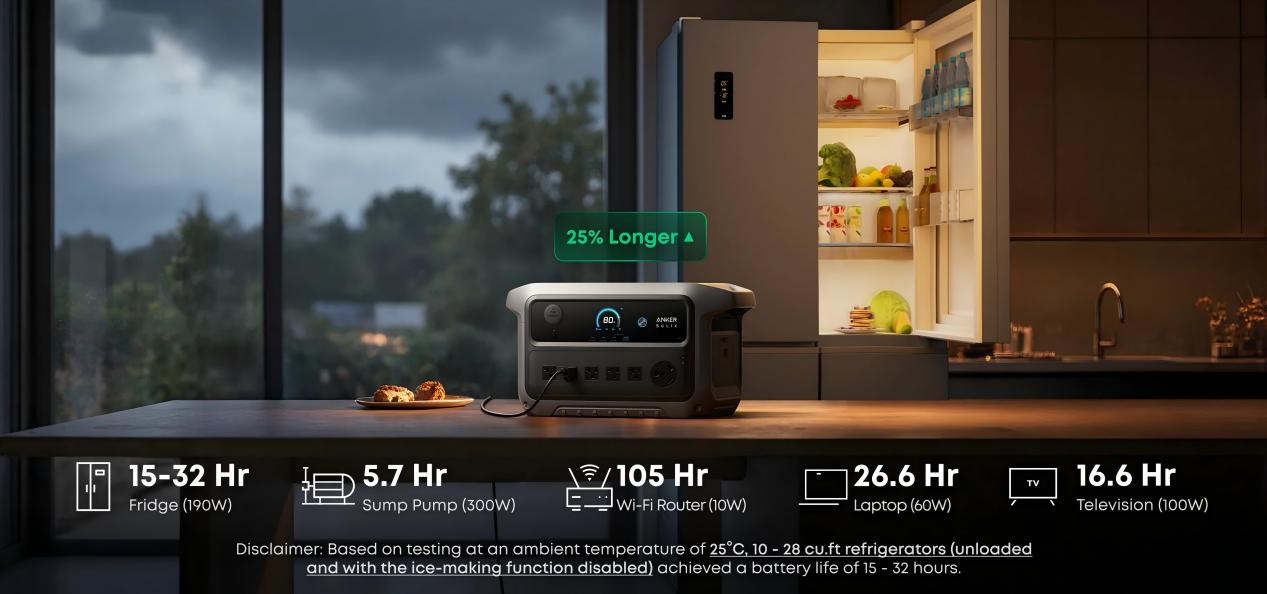
Inverter generators manage fluctuating appliance loads through fast electrical regulation rather than mechanical throttle alone, which makes them more adaptable and efficient than conventional units. When a home’s power needs change—such as a refrigerator cycling on, a microwave starting up, or a laptop switching from idle to charging—the inverter analyzes these shifts and adjusts output to maintain clean, stable electricity. This process protects electronics, reduces fuel use, and keeps voltage consistent even under unpredictable conditions. Solar-hybrid systems like the Anker SOLIX C2000 Gen 2 with its 400W solar panel take this a step further by combining stored energy, solar input, and intelligent inverter control to handle variable loads with extremely low idle power and high surge capability.
How Inverter Generators Stabilize Power Under Changing Loads?
Microprocessor Control Regulates Output in Real Time
At the core of an inverter generator is a microprocessor that tracks power demand and adjusts output dozens of times per second. This regulation ensures that frequency and voltage remain stable even when appliances suddenly draw more power. When a device spikes its demand—like a fridge compressor or a vacuum motor—the inverter responds instantly by providing the necessary wattage without letting voltage sag. The C2000 Gen 2 executes this process efficiently thanks to its low 9W idle draw and clean AC output, helping it transition smoothly between light and heavy loads without wasting stored energy.
Variable Engine Operation Matches Load More Precisely
Unlike traditional generators that run at a fixed RPM, inverter generators vary engine speed to match demand. When the load increases, the engine revs higher; when the demand falls, it slows down to conserve energy. This dynamic response reduces noise, heat, and unnecessary fuel or battery usage. With the C2000 Gen 2, the benefit becomes even clearer: the system can deliver up to 2,400W of rated output yet drop to extremely low consumption during lighter periods. This adaptability also keeps runtime predictable, as the generator avoids overworking itself during short bursts of high demand.
Surge Handling Supports Short, High-Demand Moments
Many household appliances require more wattage to start than to run. These surges often last only seconds, but they can strain a generator. Inverter systems anticipate this demand and ramp up output quickly to cover it. When a device pushes a generator near capacity, the inverter provides peak power up to the unit’s surge limit. The C2000 Gen 2, with its 4,000W peak capability, manages variable loads with enough buffer that everyday appliances cycle on without triggering shutdowns. This makes the system suitable for modern homes where multiple devices activate unpredictably throughout the day.
How Variable Loads Affect Performance, Runtime, and Power Quality?
Efficiency Changes as Load Shifts Throughout the Day
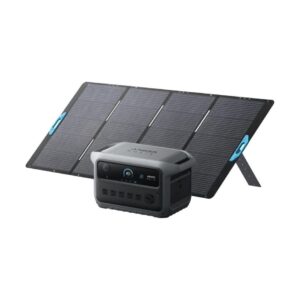
Variable loads lead to fluctuating efficiency, and inverter generators handle these changes more gracefully than fixed-RPM units. Light-load conditions allow the system to reduce energy consumption significantly, extending runtime whether the generator uses stored battery power or solar input. When paired with the 400W solar panel, the C2000 Gen 2 can quickly recover battery levels during daytime use, especially with its up to 23% conversion efficiency and four angle settings for optimal sunlight capture. This balance between consumption and replenishment helps homeowners sustain power through extended outages or off-grid periods without heavy strain.
Sensitive Electronics Benefit from Consistent Voltage Regulation
Voltage fluctuation is a common issue in non-inverter generators, especially under variable loads. Inverter systems eliminate this risk by maintaining a consistent sine wave output regardless of demand spikes. This protects computers, televisions, chargers, medical devices, and any appliance that depends on clean electrical input. When the C2000 Gen 2 switches between load levels, its inverter board maintains a stable output that mirrors grid-quality electricity. This characteristic becomes even more valuable when device usage patterns fluctuate frequently, such as in hybrid work setups or entertainment-heavy households.
Load Distribution Decisions Determine Overall Runtime
How a homeowner distributes the load has a direct impact on performance. Running several high-demand appliances together forces the generator to operate closer to its rated limit. Staggering usage, however, allows a generator to remain efficient while covering every essential task. Because the C2000 Gen 2 can power a dual-door fridge for up to 32 hours on a single charge—or 64 hours with one expansion battery—variable load management becomes easier. Users simply avoid stacking heavy appliances simultaneously, allowing the inverter to adjust output gradually rather than hitting peak moments repeatedly.
Conclusion
Inverter generators manage variable loads through rapid electrical regulation, dynamic engine or output adjustment, and responsive surge handling that protects both the generator and connected devices. These systems deliver smoother performance, more consistent voltage, and better energy efficiency than traditional generators under shifting household demand. Solar-hybrid models like the Anker SOLIX C2000 Gen 2 enhance this adaptability by adding fast solar recharging, intelligent low-idle consumption, and strong peak output for high-demand moments. When homeowners understand how an inverter generator responds to variable loads, they can choose the right usage patterns, avoid overload conditions, and maintain stable power even during unpredictable demand spikes.