
Hiring an SEO company is a significant decision for any business that relies on online visibility to attract customers. Search engines shape how people discover products, compare providers, and evaluate credibility. While SEO is often discussed as a technical discipline, selecting the right agency is ultimately a strategic business choice. Taking the time to understand how SEO services work and how to evaluate providers can prevent wasted investment and set realistic expectations for long term growth.
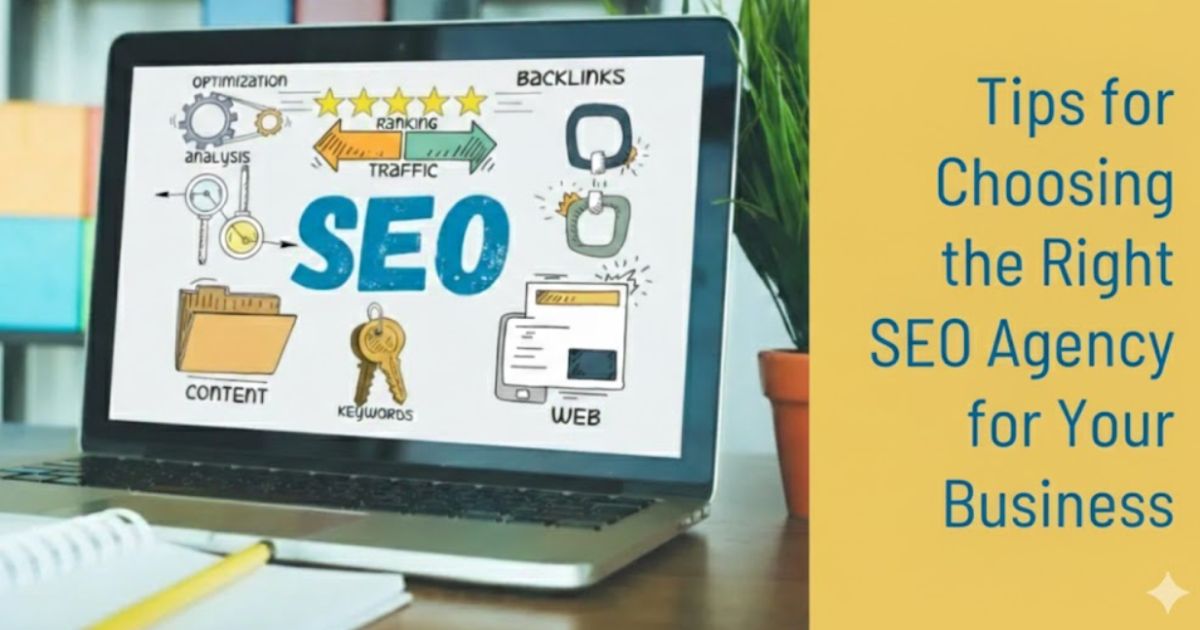
To begin, it is important to understand what SEO actually includes. Search engine optimization is not a single tactic or one time project. It combines technical website improvements, keyword research, content development, link acquisition, and ongoing analysis. A professional SEO company should be able to explain how these elements work together and how they support broader business objectives. Many companies start their research by reviewing established directories such as lists of SEO agencies serving Dallas businesses, which can help surface firms with proven experience and public credibility.
Before reaching out to agencies, businesses should clarify their own goals. Some organizations want to increase overall organic traffic, while others focus on lead generation, local visibility, or ecommerce performance. Clear objectives make it easier to evaluate proposals and determine whether an agency’s strategy aligns with what matters most. A credible SEO provider will ask questions about your audience, revenue model, competitive landscape, and current challenges before recommending a plan.
Transparency is one of the strongest indicators of a reliable SEO partner. SEO involves complex processes, but explanations should be clear and accessible. Agencies should be willing to explain what work they are doing, why it matters, and how progress will be measured. Reporting should focus on meaningful metrics such as impressions, organic traffic trends, engagement, and conversions rather than vanity statistics alone. When an agency avoids specifics or relies heavily on vague assurances, it often signals a lack of accountability.
Experience is another factor to evaluate carefully. Case studies and references provide insight into how an agency approaches different industries and challenges. Look for examples that resemble your business in size, scope, or market conditions. It is also useful to ask how long results took to appear and how performance was sustained after initial improvements. SEO is rarely immediate, and agencies that present realistic timelines tend to be more trustworthy.
Ethical practices are essential for sustainable SEO success. Search engines continually update their algorithms to reward quality and penalize manipulation. Agencies that guarantee rankings or promise rapid results often rely on tactics that can lead to long term penalties. Responsible SEO focuses on building value through high quality content, technical soundness, and earned authority. Businesses should ask how links are acquired, how content is created, and how risks are managed.
Pricing models vary widely across the industry, and cost alone should not drive the decision. Some agencies offer monthly retainers, while others provide project based engagements or performance aligned pricing. Businesses should understand what deliverables are included, how resources are allocated, and how success is evaluated. Extremely low pricing may limit research or customization, while higher pricing should reflect deeper expertise and accountability.
Communication style and collaboration also play a critical role. SEO is not static, and strategies must evolve as search behavior, competition, and algorithms change. Agencies that act as partners rather than vendors are better positioned to adapt and provide strategic insight. Regular check ins, shared data access, and open dialogue help ensure alignment over time and reduce misunderstandings.
Another consideration is how well the agency understands your broader business context. Effective SEO supports more than rankings alone. It influences user experience, brand trust, and conversion performance. Agencies that integrate SEO with content strategy, site usability, and marketing efforts tend to deliver more durable results than those treating optimization as an isolated task.
It is also important to evaluate cultural fit. An agency’s working style, communication cadence, and decision making approach should align with your internal team. Even technically strong providers can struggle if expectations and workflows are mismatched. Asking about collaboration processes early can prevent friction later.
Hiring the right SEO company requires patience, research, and informed judgment. By prioritizing transparency, ethical practices, strategic alignment, and clear communication, businesses can make decisions that support sustainable growth. SEO is not about short term wins, but about building visibility and credibility that compound over time when guided by the right partner.