
1;
Why Is My Oil Light On?
OIL CHANGE
Why Is My Oil Light On?
Tue November 19, 2024
Man checking oil on his vehicle’s dipstickMan checking oil on his vehicle’s dipstick
When you see a little light illuminate on your vehicle’s dashboard, it usually means one thing—something’s not right! Although these lights rarely appear, they can be scary when they do. But before you panic, learn what the oil light on your car means and why it might have illuminated.
The Two Types of Oil Lights
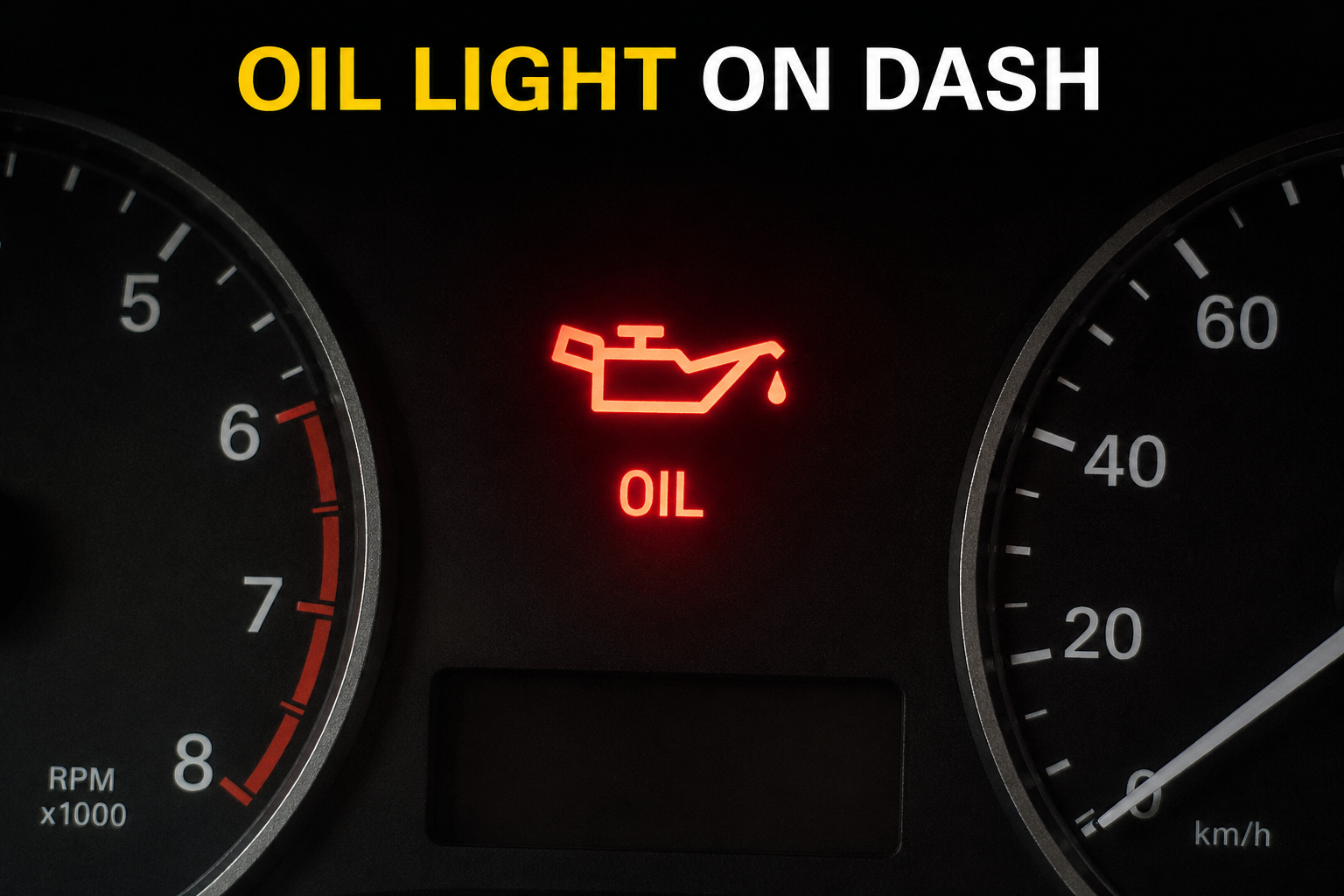
Before we go any further, it’s important to note that not all oil warning lights are created equal. One oil light looks like a dipping oil can—or, for some, a dripping genie lamp. The other likely has a text blurb that says “Change Oil Soon” or something similar.
For the context of this article, we will refer to the dripping oil can icon as the oil light or oil pressure light. The oil change reminder text is simply a maintenance reminder to stop by Firestone Complete Auto Care for an oil change as soon as possible!
What Does it Mean When the Oil Light Comes On?
When the oil light on your car’s dashboard comes on, it might mean your vehicle has low oil pressure. This drop in oil pressure could indicate low oil, contaminated oil, or leaking oil.
How Do I Know if My Oil is Low?
Engine oil isn’t meant to last forever; even though you don’t burn through it as you do with gas, all combustion engines — especially those that aren’t exactly “low mileage” — consume some oil. And with enough time, it’s possible to burn enough for your oil light to come on.
While almost every vehicle has a system for monitoring oil pressure, they don’t all have oil pressure gauges on their dashboards. Fortunately, checking your oil level is simple! Start by consulting your owner’s manual. It’ll guide you through the specifics of the following steps and tell you where to look for various pieces and parts.
If you don’t have access to your owner’s manual, here’s the general process:
Park the vehicle on level ground and let the vehicle sit for a couple of minutes.
With the engine off, pop your hood and locate your vehicle’s oil dipstick—it usually has a yellow handle and the oil icon on it.
Pull out the dipstick and wipe it off using a clean rag.
Put the dipstick back in and remove it again to get a fresh oil reading.
If the residual oil on the end of the dipstick is at or below the “add” mark, then it may be time for an oil change or, at least, a top-off of the engine oil level.
Firestone Tip: If your oil light comes on when braking, this is another indicator that your oil may be low. After all, oil is a liquid, so if your pan isn’t full, there’s room for oil to slosh around in your oil pan and away from the oil pickup when you brake or corner. Thank you, inertia!
How Do I Know if My Oil is Contaminated?
Despite what common oil myths may claim, your oil light doesn’t only turn on when you have low oil. Another potential reason for an illuminated check oil light is contaminated oil. If too much fuel or moisture accumulates in the oil, it can thin the oil’s viscosity and lower the oil pressure enough that the sensor turns on the warning light.
You can check for signs of oil contamination the same way you check your oil levels—by examining the oil on the dipstick. If your oil looks milky, has a funny smell, or is thick and sludgy to the touch, have a professional take a look.
Firestone Tip: If you don’t change your oil or oil filter, you may still technically have the correct amount of oil in your car, but coagulated or debris-filled oil could prevent it from circulating properly, triggering your oil light.
How Do I Know if My Oil is Leaking?
Some engines, even when new, consume small amounts of oil during normal operation. If your oil light is on but you recently had your oil changed, you might have a leak. To check for oil leaks, leave your car parked on a level surface for a few hours and inspect the ground underneath it for puddles.
If you don’t see any oil underneath your car when you’re parked, it doesn’t always mean you’re in the clear. Your engine may be consuming excessive amounts of oil internally when the engine is under pressure — i.e. when it’s running and driving. So, if you don’t see any puddles, but still suspect a leak, try troubleshooting with these steps:
Top off your oil to the full mark on your dipstick. (Your owner’s manual can explain how to do this for your specific make and model.)
Start the car and ensure the oil light is off.
Start driving and see if the oil light comes on again. Also, look to see if your exhaust is emitting more bluish smoke than you previously remember.
If it does, check your oil levels. If they’re low, it’s time to schedule an appointment.
Firestone Tip: If oil is dripping onto hot components like exhaust manifolds, it can result in a burnt smell, smoke coming from the engine, or potentially even start a fire. However, these symptoms might not always show up. If you think you have a leak, but can’t identify the source, bring your car into a Firestone Complete Auto Care service center for a complete vehicle inspection.
My Oil is Fine, but the Oil Light is Still On. What Could It Be?
The oil light on your dashboard isn’t always from low, leaking, or contaminated oil. If all of the following statements are true, you may have a faulty oil pressure sensor or pump:
You have enough oil in your engine
Your oil is in good condition, and you are not due for an oil and oil filter change
You don’t have any oil leaks
Your oil light is on
Is My Oil Pressure Sensor Bad?
Your oil pressure sensor is a small plug-like sensor that monitors your vehicle’s oil pressure and notifies you if it drops below a certain limit. But like everything else in your car, it can wear out, which could send faulty signals that trigger your oil light.
Is My Oil Pump Bad?
A bad oil pump doesn’t effectively circulate oil to your engine’s moving parts, which can snowball into more significant issues. While there isn’t a DIY-friendly way to tell if your oil pump has gone out, there are some key symptoms to watch out for:
Overheating: A failing oil pump results in poor oil circulation, lubrication, and, therefore, an increase in friction. Since friction generates heat, your engine can ultimately overheat from a bad oil pump.
Engine Noise: Without proper lubrication, metal engine parts can contact each other directly, leading to more engine noise, including ticking, tapping, or knocking sounds.
Oil Pump Noise: When oil pumps go out, their struggle to maintain proper oil often produces whining or whirring noises.
Spikes in Oil Pressure: Oil pumps don’t always fail suddenly and completely. Instead, they may simply operate inconsistently, leading to erratic oil pressure readings, which could trigger warning lights on your dashboard.
If you suspect your oil pump is bad, stop driving immediately and have your vehicle towed to one of our nearby locations. Our technicians can help get your oil pump and vehicle back to peak performance.
2;
What Does It Mean When Your Oil Light Comes On?
Your vehicle’s oil light on the dashboard flashes red. Now what?
check engine light on First, there is no need to panic. If you’re driving a newer vehicle, be aware that it may have two dashboard oil lights. One is the orange “reminder” light that it’s time to change your oil. If that’s the one that’s on, no problem; just know to have your oil changed soon. But if the “real” red-colored oil light is on, there’s likely an issue that needs to be addressed more critically.
What It Your Red Oil Light Means
A red dashboard oil light can mean one of several things, such as:
Your oil level is low.
Your oil pressure is low.
Your oil pressure sending unit (sensor) is faulty.
Your oil pump needs to be replaced.
Any of these is challenging at best and perilous at worst. Do not ignore that red light.
What to Do
Pull over to the curb or shoulder as soon as it’s safe to do so and stop. Turn off the engine. It is dangerous to continue driving with the oil light on because it’s possible, although not likely, that you’ve completely run out of oil. If that’s the case, your engine may suddenly stop while you’re driving and cause an accident.
Open your hood and check your oil level. If it’s low, add more oil if you have some with you. If you don’t know how to check your oil, call your roadside assistance service, tell them what happened, and ask them to send someone to assist you.
The oil level shows the amount of oil left in your vehicle; oil pressure is how well your oil pump is circulating oil through the engine. If oil pressure is low, either the pump isn’t circulating enough oil or there isn’t enough oil to circulate. It’s vital to have sufficient pressurized oil circulating through your engine to lubricate its parts. Without it, your engine can be damaged.
If you’ve checked your oil level and added more oil if necessary, get back in your vehicle, start the engine, and see if the oil light is still red. If it’s not, you’re good to go, unless the engine is making noises. If it is, or if the oil light is still red, don’t drive. Call for a tow.