
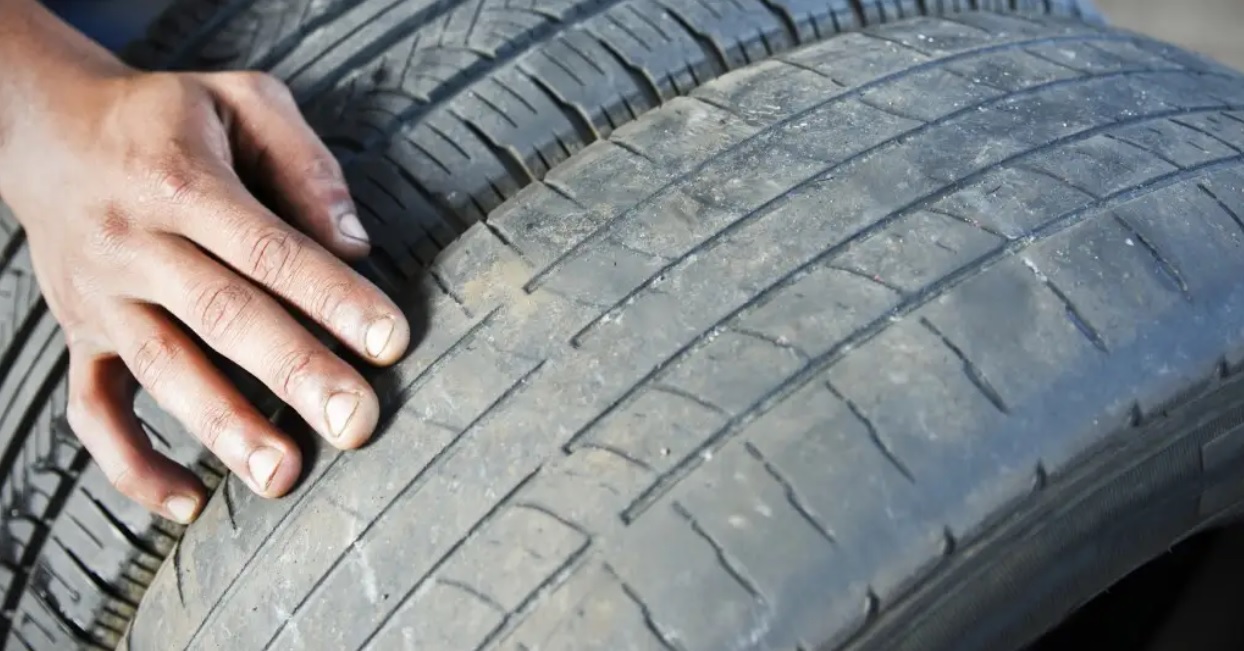
TREAD WEAR is something I always explain as part of car and tyre performance, which depends on a balance between suspension, wheels, and other systems that keep tyres evenly worn and able to function properly while they distribute vehicle weight, maintain speed, improve handling, support braking, and handle load-bearing capacity in a strong symbiotic relationship. When this relationship breaks, you often see accelerated or uneven tyre wear, and these patterns help you detect problems, identify issues, avoid premature replacement, and even uncover hidden mechanical faults that need attention.
Modern tyre creation and selection combine science and art using rubber, steel belts, fabrics, and advanced compounds, where every driver should understand tread, contact, road surface, tread pattern, impact, traction, and different driving conditions because grooves, function, and road grip matter whether it is raining, snowing, or driving on a highway, where gripping, channeling, biting, and safety all depend on how the tire tread wraps around the circumference with proper arrangement, blocks, and channels that are engineered for performance and reduced noise levels.
Elements of Tread Wear Pattern
In my experience, understanding tread blocks, rubber segments, and how they make contact with the road surface gives you real insight into tyre behavior. The structure also includes ribs, tread pattern, and sections, while sipes and slits improve traction in tricky conditions. At the same time, cross slots, channels, and water evacuation systems work with grooves around the circumference of the tyre to maintain grip and control.
Types of Tyre Tread Patterns
When I compare symmetrical tread patterns on passenger tyres, I notice how the outer side and inner side mirror each other with tread blocks forming continuous ribs, offering balanced traction, smooth handling, low road noise, long tread life, and a cost-effective, versatile solution for everyday driving in moderate weather with flexible rotation methods like front-to-back, back-to-front, and X-pattern. Moving to asymmetrical tread patterns, the inner tread and outer tread use different channels to reduce hydroplaning, improve water dispersal, enhance dry grip, and support cornering, making them ideal for performance vehicles, though proper orientation is necessary.
Then directional tread patterns use a unidirectional design with a V-shaped structure to boost hydroplaning resistance, improve high-speed stability, and suit winter tyres, where an arrow marking shows correct fitting and highlights rotation limitation, while off-road, mud terrain tyres with aggressive lugs, deep voids, and strong debris clearing ability improve traction on rugged landscapes despite noise and a bumpy ride, and winter tread patterns with extra sipes, slits, and grip for ice, snow, and slush perform best in cold conditions with maximum grip.
Tyre Wear (Treadwear) Patterns
I often check center tread wear where excessive wear in the center usually signals overinflation or incorrect pressure, while shoulder tread wear appears on outer edges due to underinflation, aggressive cornering, or overloading beyond safe load limits. In cases like feathering or scalloping, I feel uneven tread blocks caused by poor toe alignment, which requires quick wheel alignment to prevent further damage. I also inspect one-sided wear linked to camber or worn suspension, along with diagonal wear showing irregular patches from rear alignment issues or poor rotation, while cupping wear creates dips and scoops due to weak shocks, faulty struts, imbalance, or damaged suspension, often leading to vibration and noise.
When to Replace Tyres
From practical experience, I always monitor tread depth and follow the legal limit of 1.6mm or 2/32, because ignoring this can risk safety. Visible damage like bulges, cracks, or exposed cords clearly indicates replacement time. I also consider uneven wear, reduced performance, and overall tyre age between 6–10 years as critical factors for timely replacement.
Conclusion
I always tell drivers that maintaining tyres improves safety and overall vehicle performance, and understanding TREAD WEAR patterns and tread designs helps in early detection of issues. This awareness of TREAD WEAR directly enhances your driving experience, extends tyre life, and ensures better road safety.