
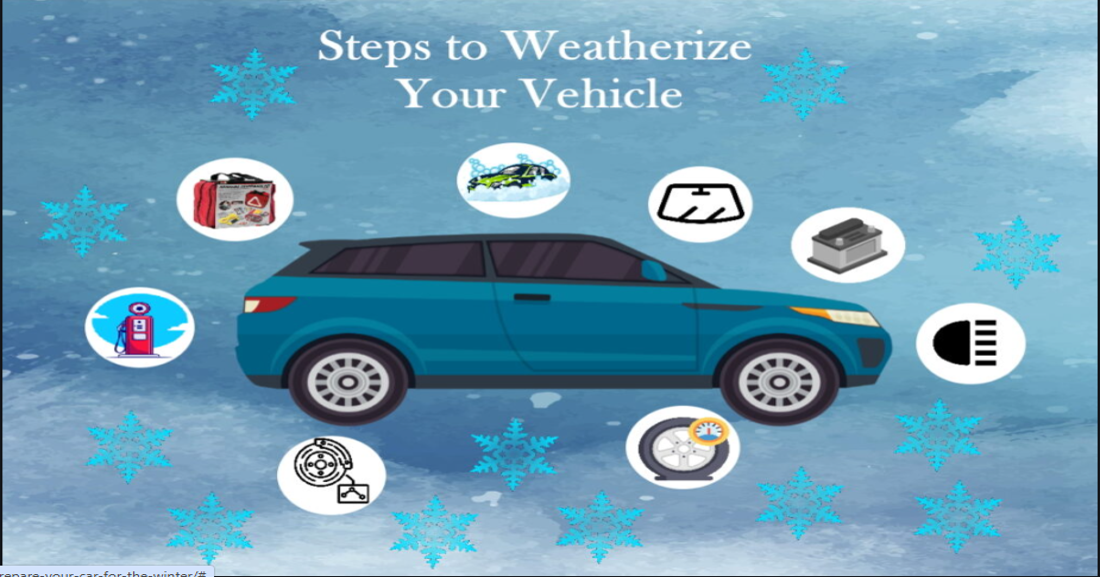
Winterize Vehicles – Basic Maintenance / Servicing Before Winter
I always start winter prep when I winterize vehicles, because a strong vehicle depends on healthy components and regular checkup. I check battery, fluids, filters, and do a full inspection to ensure winter readiness and engine health.
A good mechanic performs diagnostics, checks belts, hoses, spark plugs, wires, and cables, and ensures proper function and reliability. I also confirm correct fluid levels, including oil change and transmission fluid, to maintain system stability.
I rely on a 21-point inspection to monitor performance, detect issues, and prevent repair risks. This servicing improves safety, keeps the engine strong, and guarantees full readiness for winter conditions.
Battery Check
Cold weather weakens the battery, so I inspect corrosion, loose connections, and overall charge. Low temperature slows the chemical reaction, which reduces power and affects performance.
I always test the electrical system to ensure smooth vehicle start and steady energy flow. A weak battery reduces reliability, especially in harsh winter mornings.
If the lifespan reaches 3-4 years, I go for testing or replacement to avoid breakdowns and maintain full inspection standards.
Tires (Winter Tires + Inspection + Pressure)
I install winter tires to improve traction on snow, ice, and slush, because proper grip ensures better driving control. The right rubber compound helps maintain performance even in extreme cold.
I check tread depth, monitor tire pressure, and maintain the correct PSI according to manufacturer level. Every temperature change causes pressure drop, so regular inflation is necessary.
When I winterize vehicles, I always focus on tires because proper road contact improves stability, handling, and safety, while avoiding underinflated tires helps maintain fuel efficiency and protects overall road performance.
Oil & Fluids
Cold weather thickens engine oil, which affects smooth starting, so I use thinner oil for better viscosity and lubrication. A fresh oil change improves engine protection.
I always check all fluids, including washer fluid and winter-grade liquids, to prevent freezing in extreme conditions.
Maintaining proper fluid system balance, including coolant and antifreeze, ensures long-term performance and protects internal parts.
Cooling System / Antifreeze
The coolant and antifreeze protect the engine from engine freezing and overheating during winter. I always check levels and maintain the right mixture and balance.
A healthy cooling system keeps the engine stable in changing temperature conditions and improves overall performance.
If needed, I ask a technician for testing to ensure full system protection and smooth engine system operation in winter.
Windshield Wipers & Washer Fluid
Clear vision depends on strong windshield wipers and proper washer fluid, especially in winter conditions. I replace cracked blades and damaged rubber to avoid poor visibility.
I use winter-grade fluid in the fluid reservoir to prevent freezing while driving through snow, ice, and debris.
I also check the rear wiper and ensure regular cleaning of the windshield to avoid streaks and maintain safe driving conditions.
Brakes Inspection
I inspect brake pads, rotors, and brake fluid to ensure strong braking performance. Winter roads increase stopping distance, so I never ignore this step.
Driving on slippery roads requires perfect control, so regular inspection improves safety.
Well-maintained brakes ensure reliable winter driving and reduce accident risks significantly.
Lights Check
I check all headlights, fog lights, brake lights, and blinkers to ensure proper visibility. Winter brings more night driving due to daylight savings.
I remove snow, ice, and grime through regular cleaning to keep exterior lights effective.
A quick inspection ensures full safety and prevents issues during dark winter roads.
Heater & Defroster
A working heater keeps the interior warm and comfortable during cold drives. I test the defroster to maintain clear windshield visibility.
Cold temperature often creates fog, so a strong system helps improve driving conditions.
Proper functionality of both systems ensures comfort and safety throughout winter travel.
Wash Your Car
I regularly wash my vehicle to remove salt, sand, and debris that cause corrosion and rust.
Cleaning the undercarriage prevents long-term damage, especially after every winter storm.
This simple maintenance step protects the exterior and supports long-term damage prevention.
Protective Wax Layer
I apply wax to create a protective layer over the paint, forming a strong barrier against snow, ice, and grime.
This coating also protects against salt, sand, and gravel, which damage the exterior surface.
Using spray wax helps with quick maintenance and improves overall protection.
Parking Tips
I prefer safe parking in a garage, but if needed, I avoid the street and stay away from trees and falling branches.
I also keep distance from structures and power lines to prevent winter damage.
Smart vehicle placement improves safety in harsh winter conditions and reduces risks of outdoor parking.
Car Cover
A good car cover protects the exterior from snow, ice, and moisture.
It helps prevent paint damage and supports effective damage prevention during harsh weather.
It also saves cleaning time, making winter mornings easier and more efficient.
Keep Gas Tank Full
I always keep my gas tank full to avoid fuel issues in extreme cold. Low levels can cause freezing in gas lines.
A full tank helps during traffic delay and ensures smooth vehicle operation in winter conditions.
When I winterize vehicles, I never ignore fuel because maintaining proper fuel level improves overall safety and prevents unexpected breakdowns.
Emergency / Winter Safety Kit
I carry a complete emergency kit with blankets, gloves, and extra clothing for warmth.
I also include food, water, flashlight, batteries, first aid, and jumper cables for safety.
Extra items like sand, kitty litter, phone charger, candle, tools, and supplies in the trunk ensure full winter preparedness.
Additional Winter Safety Tips
I lift wiper blades to prevent freezing and use a windshield cover or towel to stop ice buildup.
I always keep jumper cables ready for any emergency situation.
These small steps improve winter safety and help with better preparation during parking.
Paint Protection / Damage Prevention
Winter roads cause scratches, chips, and expose the paint to salt, sand, and debris.
This leads to corrosion and rust, so I do quick repair when needed.
Using protection film and proper coating protects the vehicle body and reduces surface damage with regular maintenance.
Regular Performance Monitoring + Professional Help (Conclusion)
I always keep monitoring my car’s performance and listen for unusual sounds or check warning lights.
A quick inspection by a technician at a service center helps prevent bigger repair problems.
When you properly winterize vehicles, you improve vehicle condition, ensure full winter readiness, and stay safe on every drive, including services like tire swap.
Conclusion
When you take time to winterize vehicles, you protect your car from harsh weather and avoid unexpected problems on the road. I always follow these simple steps because they improve safety, performance, and long-term reliability during winter months.
By keeping your vehicle maintained, prepared, and fully equipped, you make every journey smoother and stress-free. In the end, when you properly winterize vehicles, you ensure peace of mind and safe driving no matter how tough the winter gets.